Trick or Treat Halloween Svg Cut File: A Practical Guide to Flawless Crafting
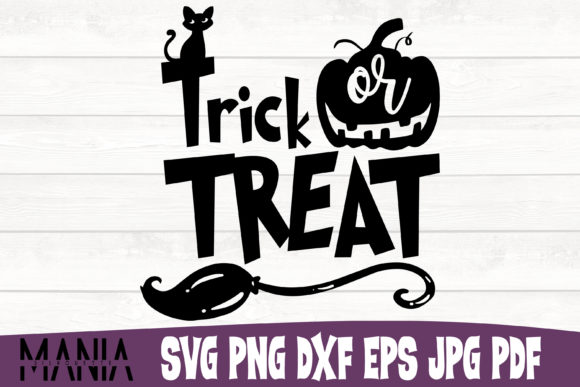
The search for the perfect seasonal design often leads crafters to a Trick or Treat Halloween Svg Cut File, but finding a high-quality asset is only half the battle. Whether you are creating custom apparel for a neighborhood party, designing signage for a school event, or building inventory for an Etsy shop, the technical integrity of your digital file dictates the success of your physical product. Many enthusiasts and small business owners assume that all vector files are created equal, leading to frustration when designs fail to cut cleanly or print with pixelated edges. Understanding the specific composition and proper application of these files ensures your creative vision translates perfectly from screen to substrate.
Understanding the Premium File Ecosystem
A common misconception among beginners is that downloading a single SVG is sufficient for every project. However, professional results require format versatility. This specific pack contains 1 SVG file perfectly designed for Cricut and Silhouette Studio, which serves as the primary cutting template. Yet, relying solely on this format can limit your workflow. The inclusion of 1 PNG file with a transparent background is essential for sublimation printing or digital mockups where cutting lines are unnecessary. For those requiring deep customization, the 1 EPS file allows for node editing in professional vector software, while the 1 DXF file provides compatibility for older machines or alternative cutting platforms.
Furthermore, the pack includes 1 JPEG file specifically optimized for Iron-On Machines and 1 PDF file containing all clip arts in one place for easy reference. Overlooking these supplementary formats is a frequent error. Crafters often attempt to convert an SVG to a raster image manually, resulting in lost transparency or incorrect color profiles. Utilizing the pre-formatted files included in this bundle saves time and preserves the meticulous organization established by the designers.
Avoiding Layering and Weeding Disasters
One of the most significant pain points in vinyl crafting is dealing with poorly organized layers. Meticulously crafted designs feature well-defined, continuously tested layers that present no flaws during the weeding process. A prevalent mistake occurs when users ungroup elements without understanding the original layer structure, causing small details like pumpkin stems or ghost eyes to detach or merge incorrectly. Before sending any Trick or Treat Halloween Svg Cut File to your machine, always inspect the layer panel in your design software.
If you are using Cricut Design Space or Silhouette Studio, verify that text elements have been converted to paths or outlines. Editable text can revert to default system fonts if the recipient lacks the original font file, ruining the aesthetic. Because these files are professionally structured, you should trust the existing hierarchy. Only ungroup elements if you intend to change colors or rearrange components, and always use the "Attach" or "Weld" functions appropriately to maintain spatial relationships during the cut. Testing a small portion of the design on scrap material is a practical corrective measure that prevents wasting premium vinyl on flawed cuts.
The Myth of Size Limitations and Resolution
Digital assets possess infinite expandability, yet users frequently degrade quality through improper resizing techniques. A major misunderstanding involves stretching rasterized previews rather than manipulating the actual vector source. Because these files are true vectors, they can be printed in any size desired without altering their high-quality aspect—from printing them on a baby shirt to engraving them on large-scale signage. However, this scalability only applies if you are working within the native vector environment.
When resizing for different applications, avoid dragging corners arbitrarily. Instead, input exact dimensions in your software’s transform panel to maintain precise aspect ratios. Distortion often happens when creators force a design to fit a non-proportional space. If you need to adapt the Trick or Treat Halloween Svg Cut File for a tall tumbler versus a wide tote bag, utilize the EPS or SVG versions to adjust spacing between elements rather than stretching the entire composition. This flexibility lets you take complete control of your design without the limitations of cartridges or fixed-size templates.
Software Compatibility and Workflow Efficiency
Assuming universal compatibility is a costly oversight. While these files boast compatibility with a huge list of software and printing devices, each platform interprets vector data differently. Starting from the most common printing machines, such as Cricut Explore and Silhouette Studio, to advanced editing suites like Adobe Illustrator, Adobe Photoshop, and even 3D editing software, everything is included in this premium pack. However, users of Make The Cut or Sure Cuts A Lot may find that certain complex nodes require simplification before cutting.
For those using Adobe After Effects or Flash for animated digital invitations, the EPS and SVG formats provide clean paths for motion tweening. A better approach than converting files repeatedly is to establish a master workflow based on your primary output. If you are a hybrid creator doing both physical crafts and digital marketing, keep the master EPS file untouched and export derivatives as needed. This prevents the "generation loss" that occurs when saving over the same file multiple times across different programs.
Evaluating Quality Before Purchase or Use
Before committing to a design or starting a production run, perform a digital audit. Check for open paths, overlapping nodes, and stray anchor points. Even meticulously crafted files can encounter transfer errors during download. Open the SVG in a browser or free viewer first to ensure it renders correctly before importing it into paid software. Verify that the transparent PNG actually has transparency and not a white box background, which indicates a conversion error.
Additionally, consider the end-use durability. Just because a file cuts successfully does not mean it will survive washing or outdoor exposure. Intricate details in a Trick or Treat Halloween Svg Cut File might look stunning on screen but could peel off after one wash cycle if the vinyl bridges are too thin. Experienced creators know to slightly thicken delicate lines in the vector editor before cutting for fabric. This proactive adjustment bridges the gap between digital perfection and physical longevity, ensuring customer satisfaction and reducing waste.
Maximizing Value Through Intentional Application
Ultimately, the value of this collection lies in its adaptability. The endless printing possibilities stem from having every necessary format at your fingertips. Avoid the trap of using a JPEG for cutting or an SVG for direct-to-garment printing without proper preparation. Each file type in this pack serves a distinct purpose engineered for specific machinery and software environments. By respecting these distinctions and leveraging the organized, tested nature of the assets, you elevate your craftsmanship from amateur experimentation to professional execution.
Whether you are a freelancer managing tight deadlines or a hobbyist enjoying a weekend project, the efficiency gained from using correctly formatted, high-integrity files cannot be overstated. Take the time to understand the tools provided. Organize your local library to mirror the structured delivery of the pack. When you treat digital assets with the same care as your physical materials, the result is consistently crisp, vibrant, and professional Halloween decor that stands out in a crowded market.