Integrating the Gnome Luck Svg Cut File Design Into Your Creative Workflow
For makers, small business owners, and digital designers, asset management is often the bottleneck between a creative concept and a finished product. The Gnome Luck Svg Cut File Design serves as more than just a whimsical graphic; it functions as a versatile production asset designed to streamline workflows across multiple platforms. Whether you are manufacturing physical merchandise, creating digital content, or prototyping new product lines, understanding how to leverage this specific file pack can significantly reduce preparation time and technical friction.
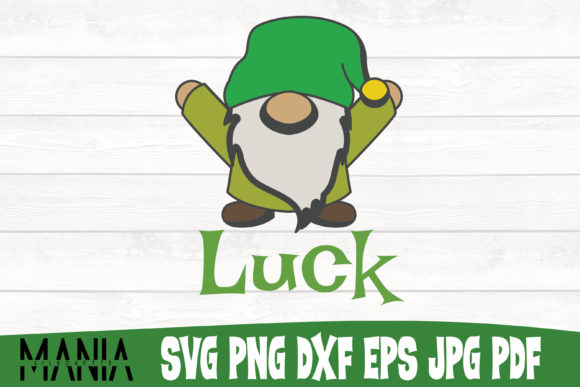
This design package is engineered for interoperability. Rather than forcing users to convert files or troubleshoot compatibility errors mid-project, the pack provides a comprehensive suite of formats. This includes 1 SVG file optimized for Cricut and Silhouette Studio, 1 PNG with a transparent background, 1 EPS for vector editing, 1 JPEG for iron-on applications, 1 DXF for alternative cutting software, and 1 PDF containing all clip art in a single reference document. This multi-format approach ensures that the asset fits seamlessly into existing ecosystems without requiring additional software purchases or complex workarounds.
Pre-Production Planning and Asset Organization
Efficient crafting and design begin long before the machine starts cutting. The inclusion of meticulously organized layers within the Gnome Luck Svg Cut File Design addresses one of the most common pain points in digital fabrication: node cleanup. Poorly digitized files often contain overlapping paths, stray nodes, or ungrouped elements that cause cutting machines to pause, double-cut, or fail entirely. Because these files are continuously tested and structured with well-defined layers, users can bypass the tedious debugging phase.
Before starting a project, utilize the included PDF file as a visual catalog. For entrepreneurs managing large libraries of designs, this allows for quick verification of style consistency across different product lines. If you are planning a seasonal collection or a themed event, reviewing the PDF helps confirm that the aesthetic aligns with your brand guidelines without needing to open heavy vector files individually. This preliminary step saves valuable processing time and ensures that the selected design supports the broader strategic goal of the project.
Software Compatibility and Ecosystem Integration
A major factor in workflow efficiency is software agnosticism. Professional creators rarely rely on a single tool. The flexibility of this file pack acknowledges that reality. The SVG format is the industry standard for vector-based cutting machines like the Cricut Explore and Silhouette Studio, ensuring native support without import degradation. However, the utility extends far beyond hobbyist cutters.
- Vector Editing: The EPS file opens natively in Adobe Illustrator, CorelDRAW, and Inkscape. This allows designers to modify colors, adjust stroke weights, or combine the gnome illustration with other branding elements before exporting for production.
- Raster Applications: For those working in Adobe Photoshop or creating web graphics, the high-resolution PNG with a transparent background eliminates the need for manual masking. This is essential for mockups, social media posts, or print-on-demand listings where speed is critical.
- Motion and Multimedia: Surprisingly, vector assets are increasingly valuable in motion graphics. The clean paths allow for easy rigging in Adobe After Effects or Flash, enabling creators to animate the design for video intros or digital advertising.
- Alternative Cutting Platforms: Users of Make The Cut or Sure Cuts A Lot can utilize the DXF file, ensuring that legacy hardware or specialized industrial equipment remains compatible with modern design trends.
By providing native files for each of these environments, the Gnome Luck Svg Cut File Design removes the "conversion tax" that typically slows down cross-platform projects.
Execution: Scaling and Production Versatility
The true test of a digital asset is its performance during execution. Vector-based designs possess infinite expandability, a feature that distinguishes professional-grade cut files from standard raster images. This mathematical precision means the design maintains crisp edges and perfect curves regardless of output size. In practical terms, this allows a single source file to serve multiple distinct purposes within a business or creative workflow.
Consider a scenario where a creator needs to produce both baby apparel and large-scale signage. With raster graphics, this would require sourcing two separate files or risking pixelation. With this vector pack, the same source scales from a 3-inch chest logo to a wall-sized decal without any loss of fidelity. The prompt mentions the ability to print "from a baby shirt to graving them on the moon," which, while hyperbolic, accurately illustrates the resolution independence of the format. For laser engravers and CNC operators, this scalability is non-negotiable; the path data must remain precise at any magnification to ensure the laser head or router bit follows the correct trajectory.
Material Application and Technical Considerations
Different substrates require different file preparations. The inclusion of a dedicated JPEG for Iron-On machines highlights an understanding of material-specific workflows. Heat transfer vinyl (HTV) and sublimation often have different color space requirements and mirroring protocols compared to adhesive vinyl or paper cardstock. Having a pre-formatted JPEG specifically designated for iron-on applications reduces the cognitive load during setup, minimizing the risk of wasted materials due to incorrect settings.
Furthermore, the organized layer structure benefits weeding and assembly. When cutting multi-colored designs, having distinct layers for each color component allows users to assign specific material settings or cut orders within their software. This level of control prevents the machine from cutting internal details before external outlines, a common error that ruins intricate projects. By respecting the technical constraints of physical production, the design facilitates a smoother transition from screen to substrate.
Post-Production and Long-Term Asset Management
The lifecycle of a design asset does not end after the first use. Efficient workflows treat premium packs as reusable resources. The Gnome Luck Svg Cut File Design supports long-term value through its editable nature. Unlike locked cartridge systems that restrict modification, these open files grant complete ownership. This is crucial for businesses that need to adapt generic assets to fit specific client requests or evolving brand identities.
After completing a project, archive the original source files rather than just the exported outputs. Maintaining a master library of editable EPS and SVG files allows for rapid iteration in future campaigns. If a client loves the gnome aesthetic but requests a color change or the addition of custom text next year, having the original vector layers makes the update a five-minute task rather than a redesign. This reusability directly impacts profitability by reducing billable hours for repeat variations.
Quality Control and Consistency
Consistency builds trust, whether you are selling handmade goods on Etsy or delivering marketing materials for a corporate client. Flawed cut lines, jagged edges, or inconsistent styling can undermine perceived quality. The meticulous crafting and continuous testing mentioned in the product specifications act as a built-in quality assurance protocol. By relying on professionally vetted geometry, creators mitigate the risk of production failures that lead to refunds or reprints.
When integrating this design into a larger portfolio, verify that the line weights and detail levels match your other assets. While the file is scalable, visual harmony matters. Use the editing capabilities in Illustrator or Silhouette Studio to globally adjust stroke widths if necessary, ensuring the gnome illustration feels cohesive alongside other elements in your collection. This attention to detail transforms a standalone clip art file into a integrated component of a professional design system.
Practical Implementation Tips for Diverse Users
To maximize the return on investment for this asset pack, consider the following workflow adaptations based on your specific role:
- For POD Sellers: Use the PNG for immediate listing mockups to gauge market interest before committing to inventory. Once validated, switch to the SVG for local production to improve margins and quality control.
- For Educators and Bloggers: Utilize the PDF for printable worksheets or coloring pages. The high contrast and clean lines reproduce well on standard office printers, making it ideal for classroom activities or blog freebies.
- For Sign Makers: Import the DXF or EPS directly into CAD/CAM software. Check the node count before machining; while these files are optimized, adding a slight offset path can sometimes compensate for kerf width in laser cutting.
- For Digital Planners: The transparent PNG serves as an excellent sticker element for GoodNotes or Notability. Resize appropriately for tablet screens to maintain sharpness without bloating file sizes.
Ultimately, the Gnome Luck Svg Cut File Design represents a shift from consuming static images to utilizing dynamic production tools. By understanding the specific function of each included file type and integrating them thoughtfully into your planning, execution, and archival processes, you transform a simple download into a scalable engine for creativity. The absence of cartridge limitations and the breadth of software compatibility ensure that this asset grows with your skills and business needs, providing reliable performance across every stage of the creative journey.