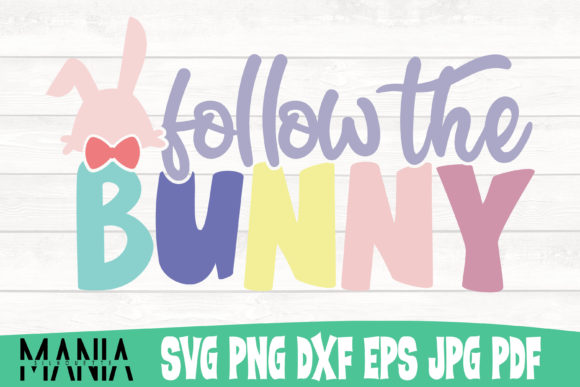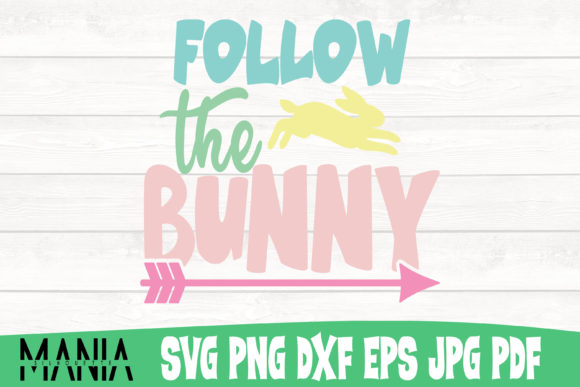
Follow the Bunny SVG Cut File Design
Elevating a creative project from amateur to professional often hinges on the technical integrity of your assets, and the Follow the Bunny Svg Cut File Design exemplifies the precision required for modern visual communication. Whether you are developing seasonal merchandise or refining a playful brand identity, having access to meticulously crafted vector graphics ensures that your design workflow remains smooth and your final output retains crisp edges at any scale. This resource is not merely a decorative element; it is a foundational component for designers who demand versatility across both digital screens and physical print media.
Technical Precision and Format Versatility
In professional graphic design, file compatibility dictates the efficiency of production. This premium pack is engineered to eliminate friction between ideation and execution. By providing six distinct formats, it supports a comprehensive range of applications without requiring manual redrawing or conversion artifacts. The inclusion of specific file types addresses different stages of the design process:
- SVG Files: Perfectly optimized for Cricut and Silhouette Studio, ensuring clean cut lines for vinyl and paper crafts.
- PNG Files: Transparent backgrounds ideal for layering in web design, social media graphics, and digital mockups.
- EPS Files: Essential for editing purposes in Adobe Illustrator, allowing for node manipulation and color adjustments.
- JPEG Files: High-resolution raster images suitable for Iron-On machines and sublimation printing.
- DXF Files: Universal vector format compatible with various CAD and cutting software.
- PDF File: A consolidated reference containing all clip arts for quick visual verification and layout planning.
This multi-format approach ensures that whether you are working in Adobe Photoshop for texture compositing or using Make The Cut for fabrication, the asset integrates seamlessly into your existing ecosystem.
Scalability in Brand Identity and Merchandise
A core principle of effective branding is consistency across touchpoints. Vector-based assets like this design offer infinite expandability, meaning the visual hierarchy and line weight remain perfect whether applied to a baby shirt or large-scale signage. Unlike raster images that pixelate when enlarged, these files maintain their high-quality aspect regardless of dimensions. This flexibility allows marketers and business owners to create cohesive campaigns where the same graphical element strengthens recognition on packaging design, editorial layouts, and promotional merchandise without degradation.
For those utilizing 3D editing software or advanced motion graphics tools like Adobe After Effects, the organized layers provide a significant advantage. Meticulously tested layers mean less time spent cleaning up stray nodes and more time focusing on composition and storytelling. This level of organization is critical for maintaining a professional presentation, especially when adapting static designs for dynamic digital marketing content or interactive UI elements.
Strategic Application in Creative Projects
Selecting the right creative assets involves evaluating how they serve broader communication goals. When incorporating whimsical or thematic illustrations into your work, consider the following factors to ensure professional results:
- Visual Balance: Ensure the illustration complements rather than competes with your typography and logo design.
- Color Palette Integration: Use the editable EPS or SVG versions to adjust colors so they align strictly with your brand guidelines.
- Audience Expectations: Match the intricacy of the cut file to the medium; simpler lines work better for small vinyl decals, while detailed versions suit print design.
- Cross-Platform Consistency: Utilize the PNG for web previews and the DXF/SVG for physical production to guarantee the customer sees exactly what they will receive.
The compatibility of these files with industry-standard software—from Sure Cuts A Lot to Adobe Flash—makes them a unique asset in a designer's library. They bridge the gap between traditional crafting and modern digital aesthetics, allowing for innovative hybrid projects that stand out in a saturated market.
Ultimately, the value of high-quality design resources lies in their ability to enhance both aesthetics and functionality without imposing technical limitations. By choosing assets that are rigorously tested and broadly compatible, creators can focus on innovation and strategic messaging. Thoughtful selection of scalable, well-organized graphics not only improves the immediate visual impact of a project but also establishes a reliable foundation for future creative endeavors, ensuring that every piece of communication reflects a standard of excellence.